The Thrill of Anticipation
The psychology of gamblers in casinos often begins with the thrill of anticipation. This feeling arises from the uncertainty of outcomes as players engage in games of chance. For many, the act of gambling is not solely about winning money; it is about the excitement that accompanies the possibility of a significant win, particularly when exploring canadian betting sites that offer various enticing options. The anticipation triggers dopamine release in the brain, reinforcing the behavior and creating a compelling urge to keep playing. Even when players experience losses, the mere expectation of a future win can be sufficient to maintain their engagement.
Additionally, this thrill can lead to a cycle of behavior that reinforces gambling habits. Gamblers may find themselves returning to the casino frequently in search of that electrifying moment when they hit a jackpot. This anticipation can turn into a form of addiction, where the excitement of potential rewards outweighs the rational evaluation of risks. Cognitive biases, such as the gambler’s fallacy, also play a role in shaping their expectations, as players often believe that past outcomes influence future ones, further fueling their desire to gamble.
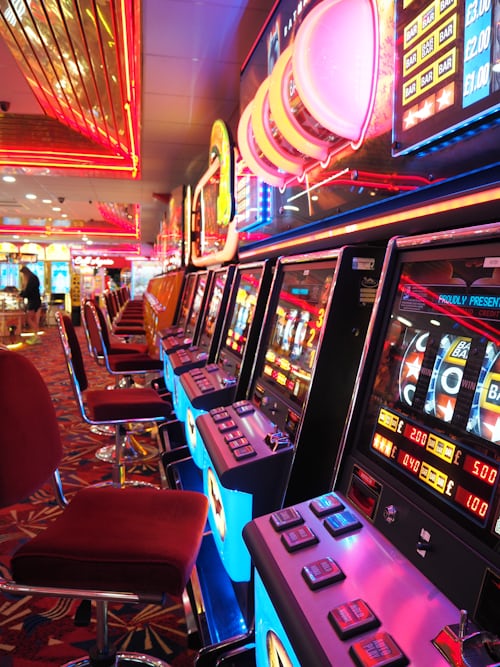
Furthermore, the environment of a casino is meticulously designed to enhance this psychological rush. The sounds of coins clinking, flashing lights, and lively music create an atmosphere that heightens excitement. This sensory overload distracts players from the potential dangers of gambling, leading them to focus more on the thrill than the consequences. Therefore, understanding the psychology of anticipation can help both gamblers and casino operators recognize the powerful emotional forces at play within the gambling experience.
The Illusion of Control
An intriguing aspect of gambling psychology is the illusion of control that many players experience. Gamblers often believe they can influence the outcome of a game, even in situations governed entirely by chance. For example, players might see certain betting strategies or patterns as ways to sway the odds in their favor. This belief can lead to an increased investment of time and money, as players feel empowered by the notion that they can affect their destiny.
Psychologically, this illusion can provide comfort and justification for continued gambling. Players may convince themselves that their expertise or intuition can lead to favorable outcomes, despite the underlying randomness of these games. This cognitive distortion often fosters a sense of agency, making it easier for individuals to overlook previous losses and continue playing. The illusion of control also extends to slot machines, where players pull levers or press buttons, contributing to the belief that their actions influence results.

Moreover, the consequences of this illusion can be significant in terms of financial impact. Gamblers may continue to wager larger sums, chasing their losses with the hope that a run of good luck is just around the corner. This cycle can contribute to problematic gambling behavior, leading individuals to disregard their financial limits while holding onto the belief that they are merely one decision away from a big win. Recognizing this psychological factor is essential for promoting responsible gambling practices and awareness.
Emotional Triggers and Gambling Behavior
Emotions play a pivotal role in shaping gambling behavior. Gamblers often use betting as a coping mechanism to deal with stress, anxiety, or other negative feelings. The excitement and distraction provided by gambling can serve as a temporary escape from life’s pressures. However, this emotional reliance can quickly morph into a harmful cycle, where individuals use gambling to alleviate their emotional distress, only to find that their financial losses contribute to further emotional turmoil.
Studies suggest that individuals experiencing strong emotional distress are more likely to engage in impulsive gambling behavior. They may prioritize immediate gratification over long-term consequences, leading to irrational decision-making during gambling sessions. The rapid fluctuations of winning and losing can amplify emotional states, making it more difficult for players to step back and consider the ramifications of their actions. This emotional rollercoaster can perpetuate a cycle of gambling as they seek to recapture the highs while attempting to avoid the lows.
Understanding the emotional triggers that drive gambling behavior is critical for both players and support systems. By recognizing the role that emotional states play in gambling decisions, individuals may be better equipped to seek healthier coping mechanisms. Moreover, casinos can help by incorporating responsible gambling initiatives that provide resources for those struggling with emotional triggers, fostering a safer gambling environment for all patrons.
Social Influences on Gambling Behavior
Gambling behavior is also significantly affected by social influences and the environment in which individuals participate. Social interaction can enhance the appeal of gambling, as many people enjoy the camaraderie of playing in groups or sharing their experiences with friends. The social aspect of gambling can amplify feelings of excitement and urgency, encouraging individuals to take risks they might otherwise avoid when alone.
Friends or family members who share a passion for gambling can inadvertently reinforce each other’s behaviors, creating a social norm around participation. This dynamic can normalize excessive gambling and lead to collective behaviors that prioritize entertainment over financial well-being. The presence of peers can also create pressure to conform, pushing individuals to gamble even when they may have reservations. This social validation can make it difficult for individuals to recognize problematic patterns in their own behavior.
Additionally, casinos often utilize social environments to their advantage by hosting events, tournaments, or group activities, further enticing individuals to engage in gambling. By fostering a sense of community and connection, establishments can enhance customer loyalty while simultaneously encouraging more frequent participation. Understanding these social influences is crucial for developing strategies that promote responsible gambling and minimize the risks associated with group dynamics.
The Role of Education in Responsible Gambling
Education plays a vital role in promoting responsible gambling practices. By raising awareness about the psychological aspects of gambling, players can better understand their motivations and the potential risks involved. Educational programs can teach individuals to recognize the signs of problem gambling, empowering them to make informed decisions. Through workshops, seminars, and online resources, individuals can gain insights into their gambling behavior and develop skills to manage it responsibly.
Organizations dedicated to responsible gambling initiatives are essential in providing the necessary resources and support for players. These organizations often focus on providing information about the risks of gambling, access to counseling, and strategies for self-exclusion. By fostering a culture of awareness and support, individuals can learn to navigate their gambling experiences with a greater understanding of their psychological triggers and emotional responses.
Implementing educational initiatives within casinos can also bolster responsible gambling efforts. By integrating information about gambling behaviors into the casino experience, operators can engage patrons in conversations about the potential for addiction and the importance of self-awareness. Establishing a transparent dialogue about the psychological factors at play can help create a safer gaming environment and promote healthy habits among gamblers.